
10 Phishing Trends to Watch in 2026

Abdullah Al Shifat
Published: 18 Jun 2026 • 02 Mins read
Phishing attacks are becoming increasingly sophisticated. In 2026, attackers are leveraging advanced techniques like AI-driven message personalization, QR code manipulation, and multi-vector campaigns targeting WhatsApp and voice communications. Here is a breakdown of the top trends organizations must prepare for.
1. AI-Powered Social Engineering
Generative AI tools have made it incredibly simple for attackers to generate highly convincing, grammatically perfect emails in seconds.
Automated Personalization
Attackers use public data scrapes and social profiles to feed prompts to custom LLMs, generating millions of highly personalized phishing messages customized to each target's job role, recent activities, and communication style.
Deepfake Audio and Video (Vishing 2.0)
Threat actors are combining traditional phishing with voice cloning and real-time video deepfakes. A target might receive a phishing email followed by a voice mail or instant call from their "CFO" using a cloned voice to rush them into approving an urgent wire transfer.
2. The Rise of Quishing (QR Code Phishing)
As organizations have strengthened their email filters to strip out malicious URLs and attachments, attackers have adapted by using QR codes.
Bypassing Secure Email Gateways (SEGs)
Because QR codes are embedded inside images, standard email filters often fail to scan the destination link. Employees scan the QR code using their personal mobile devices, taking them completely outside the company's protected network sandbox.
See Innvikta InSAT in Action
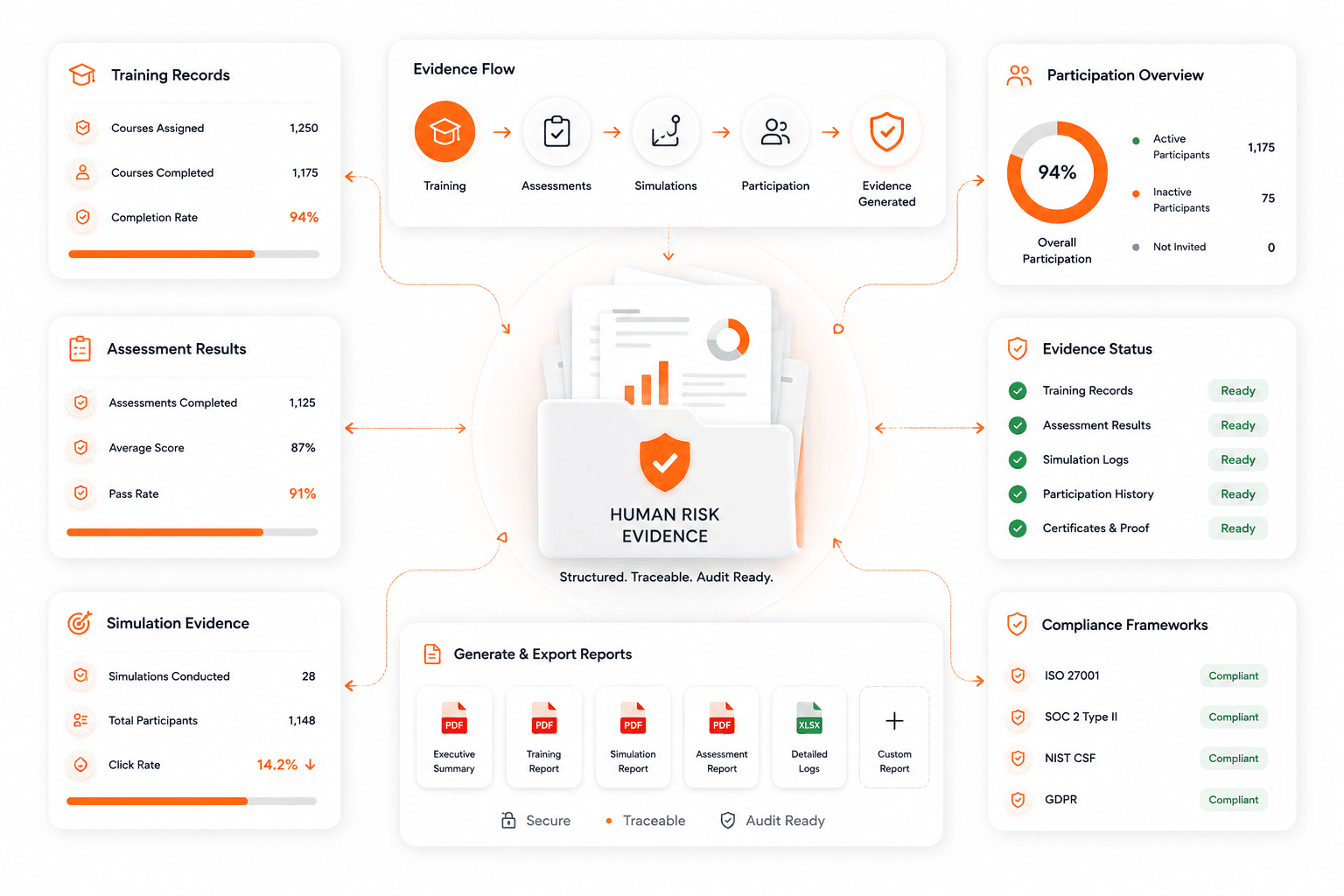
Explore how our interactive games, realistic phishing simulations, and gamified training modules dramatically reduce organizational human cyber risk.
Fake Billing and MFA Prompts
A common quishing vector is sending fake invoices or urgent multi-factor authentication (MFA) reset alerts requiring the user to scan the QR code to "re-verify" their corporate login credentials.
3. Multi-Channel Campaigns
Modern phishing is no longer restricted to corporate email. Attackers now initiate conversations across multiple channels.
Collaboration Tools Targets
Attackers increasingly target enterprise chat platforms like Slack, Microsoft Teams, and WhatsApp. By compromising a partner company's credentials, they enter internal channels and send files disguised as urgent spreadsheets or reports.
Smishing and MFA Fatigue
Smishing (SMS phishing) is paired with MFA fatigue attacks, where attackers bombard users with login approval prompts, accompanied by text messages pretending to be IT support instructing them to click "approve" to resolve a system glitch.
4. Modern Defensive Strategies
Traditional static training is no longer enough to counter these evolving threats.
Adaptive Security Awareness Training
Organizations need adaptive learning paths tailored to each employee's role, risk level, and department. An employee in finance needs deep training on vishing and invoice fraud, while developers need focus on API key leaks and supply chain attacks.
High-Fidelity Phishing Simulations
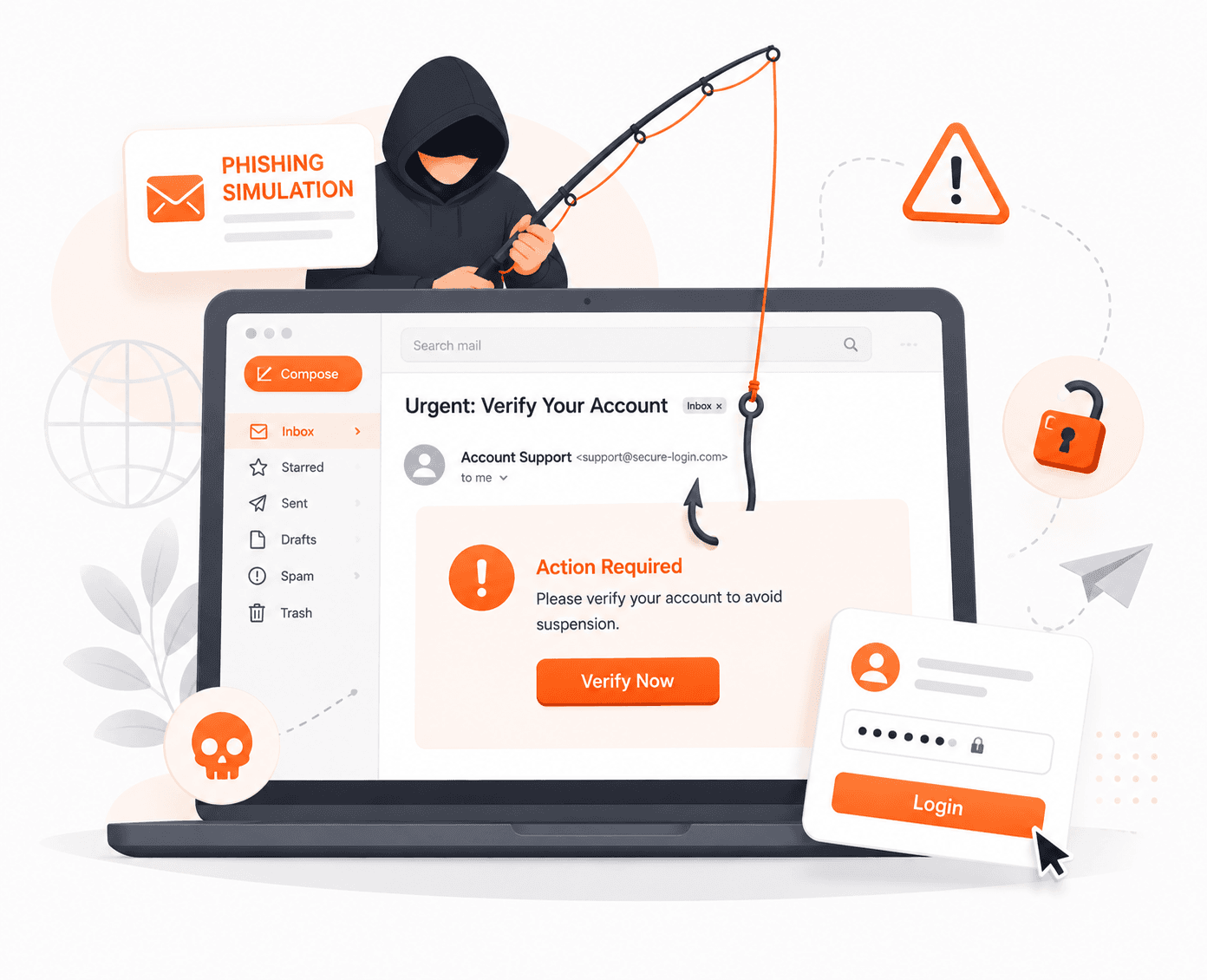
Running automated phishing simulations mimicking real-world threats (including QR codes and Smishing patterns) is essential to build defensive muscle memory across the workforce.