AI-Powered Phishing Simulations

Team Innvikta
Published: 22 Jul 2026 • 05 Mins read
AI-Powered Phishing Simulations: Preparing Employees for Modern Phishing Attacks
Phishing attacks are becoming more personalized, convincing, and difficult to detect—especially with the use of artificial intelligence. AI-powered phishing simulations help organizations safely test employee readiness using realistic attack scenarios, identify human risk, and deliver targeted security awareness training based on actual behavior rather than assumptions.
Key Takeaways
-
AI has made phishing attacks faster, more convincing, and highly personalized.
-
Traditional phishing simulations often fail to reflect today's threat landscape.
-
AI-powered simulations generate realistic campaigns based on current attack techniques.
-
Organizations can identify high-risk users and departments using behavioral analytics.
-
Personalized learning improves employee resilience over time.
-
Continuous phishing simulations are a core component of Human Risk Management.
Phishing Has Changed—Has Your Security Awareness Program?
Phishing has evolved dramatically over the past few years. Attackers no longer rely on poorly written emails filled with spelling mistakes and suspicious links. Today's phishing campaigns are crafted using artificial intelligence, public information, breached data, and social engineering techniques to imitate trusted individuals, brands, and business processes.
Modern phishing attacks may impersonate:
-
Company executives
-
HR departments
-
IT support teams
-
Banks and financial institutions
-
Microsoft 365 or Google Workspace
-
Courier services
-
Vendors and suppliers
-
Government agencies
Employees are no longer targeted with generic emails—they receive highly personalized messages designed to appear legitimate.
To prepare employees for these threats, organizations need simulations that reflect the attacks they are likely to encounter in the real world.
Why Traditional Phishing Simulations Fall Short
Many organizations still rely on static phishing templates that rarely change.
While these campaigns provide basic awareness, they often fail to mirror modern phishing techniques.
Common limitations include:
-
Repetitive email templates
-
Predictable campaign timing
-
Generic landing pages
-
Limited personalization
-
Lack of role-specific scenarios
-
Minimal behavioral insights
Employees eventually learn to recognize the training rather than the attack, reducing the effectiveness of simulations.
As phishing tactics evolve, awareness programs must evolve with them.
What Are AI-Powered Phishing Simulations?
AI-powered phishing simulations use artificial intelligence to create realistic phishing campaigns that adapt to current threats and organizational needs.
Instead of sending the same phishing email to every employee, AI can generate campaigns tailored to:
-
Employee roles
-
Departments
-
Industries
-
Current phishing trends
-
Attack techniques
-
Organizational policies
-
Learning objectives
The goal is to safely assess employee readiness while reinforcing secure behaviors through practical experience.
How AI Makes Phishing Simulations More Effective
Dynamic Email Generation
AI creates realistic phishing emails that resemble modern attacks, including:
-
Executive impersonation
-
Invoice fraud
-
HR announcements
-
IT password reset requests
-
Vendor communications
-
Cloud document sharing invitations
-
Event registrations
This variety keeps simulations relevant and prevents employees from recognizing patterns.
Personalized Campaigns
A finance team faces different threats than HR or software developers.
AI enables organizations to tailor phishing scenarios to each department, increasing the relevance and educational value of every campaign.
Examples include:
-
Finance: Fake payment requests and invoice fraud.
-
HR: Recruitment scams and payroll updates.
-
IT: Password reset and software update notifications.
-
Sales: Customer document sharing requests.
-
Executives: Business Email Compromise (BEC) scenarios.
AI-Generated Landing Pages
Modern phishing attacks often include convincing login portals.
AI-powered simulation platforms can create realistic landing pages that safely demonstrate how attackers attempt to steal credentials.
Employees learn to identify warning signs before entering sensitive information.
Adaptive Learning Recommendations
Instead of assigning the same training to everyone, AI recommends learning modules based on employee performance.
For example:
-
Employees who click phishing links receive additional phishing awareness training.
-
Users who repeatedly struggle with QR code scams receive focused Quishing modules.
-
High-performing employees receive advanced cybersecurity challenges.
This personalized approach improves engagement while reducing unnecessary training.
Human Risk Intelligence
AI analyzes employee behavior across multiple campaigns to identify patterns and trends.
Security teams gain insights into:
-
High-risk users
-
Department-level vulnerabilities
-
Phishing click rates
-
Credential submission attempts
-
Reporting behavior
-
Training effectiveness
These insights help organizations focus resources where they are needed most.
Benefits for CISOs and Security Teams
Measure Real Human Risk
Instead of relying on course completion rates, AI-powered simulations provide measurable evidence of employee behavior.
Reduce Successful Phishing Attempts
Repeated exposure to realistic phishing campaigns helps employees recognize suspicious messages before they become security incidents.
Improve Incident Reporting
Employees become more comfortable reporting suspicious emails, strengthening the organization's detection capabilities.
Support Compliance Initiatives
Many regulatory and security frameworks emphasize employee awareness as part of a comprehensive cybersecurity program.
Phishing simulations help organizations demonstrate continuous security education and ongoing risk reduction.
Executive Reporting
Behavioral analytics enable CISOs to present meaningful security metrics to executive leadership and board members.
Best Practices for AI-Powered Phishing Simulations
Run Campaigns Throughout the Year
Continuous testing reflects real-world conditions better than annual awareness exercises.
Simulate Current Threats
Update campaigns to include:
-
AI-generated phishing emails
-
QR code phishing (Quishing)
-
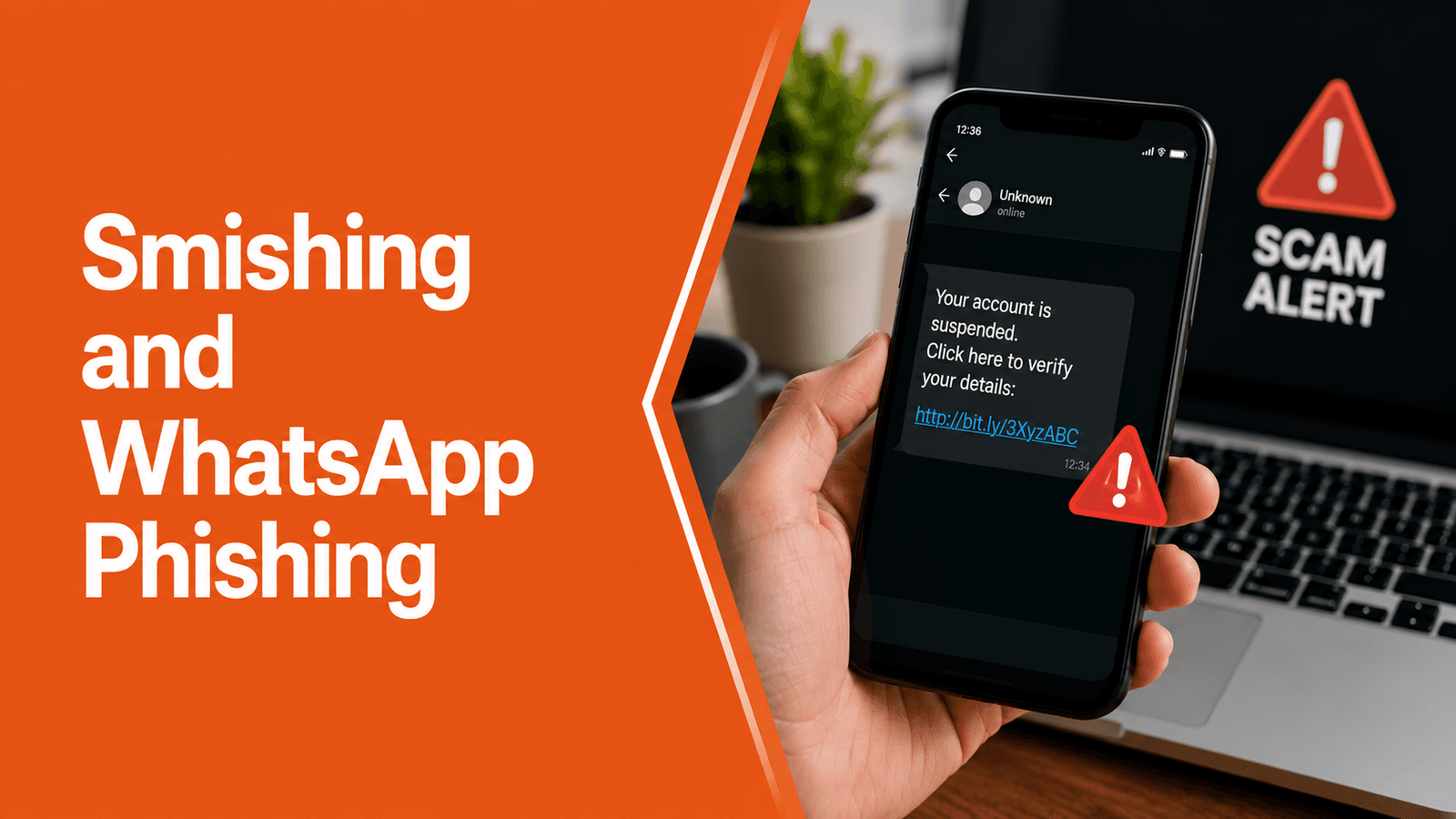
Smishing
-
WhatsApp phishing
-
Business Email Compromise
-
Cloud collaboration scams
Focus on Learning, Not Punishment
The objective is to educate employees rather than embarrass them.
Provide immediate feedback and practical learning after each simulation.
Personalize Training
Different departments face different risks. Tailor simulations accordingly.
Measure Improvement Over Time
Track:
-
Click rates
-
Credential submission rates
-
Reporting rates
-
Repeat-risk users
-
Human Risk Scores
Behavioral improvement is a better indicator of success than training completion alone.
How Innvikta Delivers AI-Powered Phishing Simulations
Innvikta's AI-powered phishing simulation platform is built to help organizations stay ahead of evolving phishing threats while reducing human cyber risk.
AI Campaign Generator
Create realistic phishing campaigns in minutes using AI-assisted content generation tailored to different industries, departments, and attack scenarios.
See Innvikta InSAT in Action
Explore how our interactive games, realistic phishing simulations, and gamified training modules dramatically reduce organizational human cyber risk.
Dynamic Landing & Login Page Generator
Generate convincing yet safe phishing landing pages that replicate modern credential harvesting techniques for educational purposes.
Role-Based Campaigns
Deliver customized phishing simulations for:
-
Finance
-
HR
-
IT
-
Sales
-
Operations
-
Executive leadership
-
Customer support
Human Risk Intelligence
Measure employee behavior using:
-
Human Risk Scores
-
Department-level analytics
-
Click rates
-
Reporting behavior
-
Credential submission trends
-
Repeat-risk tracking
Personalized Learning
Employees automatically receive relevant awareness modules based on simulation outcomes, reinforcing learning where it is needed most.
Executive Dashboards
Leadership teams gain clear visibility into organizational phishing resilience through comprehensive reports and behavioral analytics.
Measuring the Success of Phishing Simulations (H2)
An effective phishing simulation program should answer key business questions:
| Metric | Why It Matters |
|---|---|
| Phishing Click Rate | Indicates employee susceptibility to phishing attempts. |
| Credential Submission Rate | Measures risk of sensitive information disclosure. |
| Email Reporting Rate | Reflects employee vigilance and reporting culture. |
| Human Risk Score | Provides an overall view of organizational cyber risk. |
| Department Risk Trends | Helps prioritize targeted awareness initiatives. |
| Repeat-Risk Users | Identifies employees requiring additional coaching. |
| Training Improvement | Demonstrates behavioral progress over time. |
These metrics provide meaningful insights for CISOs, security managers, and executive leadership.
Conclusion
Phishing remains one of the most common entry points for cyberattacks, but the nature of these attacks has changed significantly.
Artificial intelligence enables attackers to create highly personalized, convincing phishing campaigns that traditional awareness programs may not adequately address.
AI-powered phishing simulations give organizations the opportunity to prepare employees for these evolving threats through realistic, adaptive, and measurable learning experiences.
By combining intelligent simulations, Human Risk Management, behavioral analytics, and personalized awareness training, organizations can transform employees into an effective first line of defense against phishing attacks.
Frequently Asked Questions
They are simulated phishing campaigns that use artificial intelligence to create realistic attack scenarios, helping organizations assess employee readiness and improve security awareness.
Traditional simulations often use static templates, while AI-powered simulations generate dynamic, personalized, and role-specific phishing scenarios that better reflect modern attack techniques.
Phishing simulations help identify employee vulnerabilities, improve reporting behavior, reinforce security awareness, and provide measurable insights into human cyber risk.
The primary goal is education and risk reduction, not punishment. Effective programs use simulation results to provide targeted learning and strengthen the organization's overall security posture.
Innvikta combines AI-generated phishing campaigns, dynamic landing pages, Human Risk Intelligence, personalized learning, executive dashboards, and continuous security awareness training to help organizations reduce phishing-related risks.