Data Privacy and Compliance Training

Team Innvikta
Published: 30 Jun 2026 • 05 Mins read
Data Privacy and Compliance Training: Building a Culture of Trust and Accountability
Data privacy and compliance training educates employees on how to collect, process, store, share, and protect sensitive information while complying with applicable privacy regulations and organizational policies. It helps reduce human error, strengthens cybersecurity, supports regulatory compliance, and builds a culture where protecting personal and business data becomes part of everyday work.
Key Takeaways
-
Data privacy is everyone's responsibility—not just the IT or legal team.
-
Employee mistakes remain one of the leading causes of data breaches.
-
Privacy and compliance training helps employees understand how to handle sensitive information securely.
-
Continuous awareness is more effective than annual compliance sessions.
-
Organizations should combine privacy education with phishing simulations and role-based learning.
-
A strong compliance culture improves customer trust and reduces organizational risk.
What Is Data Privacy and Compliance Training?
Organizations collect and process enormous amounts of personal and business information every day. Customer records, employee files, financial information, healthcare data, contracts, and confidential business documents all require careful handling.
Data privacy and compliance training teaches employees how to manage this information responsibly while following organizational policies and applicable legal requirements.
Rather than focusing only on regulations, effective training explains why privacy matters, how cyber threats exploit human behavior, and what employees should do to protect sensitive information during their daily work.
An effective training program covers both privacy responsibilities and practical cybersecurity habits, ensuring employees understand how their decisions affect the organization's overall security posture.
Why Employee Training Matters
Many organizations invest heavily in cybersecurity technologies such as firewalls, endpoint protection, encryption, and identity management. However, even the strongest technical controls cannot prevent mistakes made by employees.
Examples include:
-
Sending confidential files to the wrong recipient.
-
Clicking phishing links.
-
Sharing customer information without verification.
-
Using weak passwords.
-
Uploading sensitive files to unauthorized cloud storage.
-
Discussing confidential information in public places.
-
Leaving printed documents unattended.
Most of these incidents are preventable through continuous awareness and practical education.
Employees who understand privacy principles are more likely to make informed decisions when handling sensitive information.
See Innvikta InSAT in Action
Explore how our interactive games, realistic phishing simulations, and gamified training modules dramatically reduce organizational human cyber risk.
Common Data Privacy Risks in the Workplace
Data privacy incidents are often caused by everyday workplace activities rather than sophisticated cyberattacks.
Human Error
Simple mistakes such as attaching the wrong document to an email or selecting the wrong recipient can expose confidential information.
Phishing Attacks
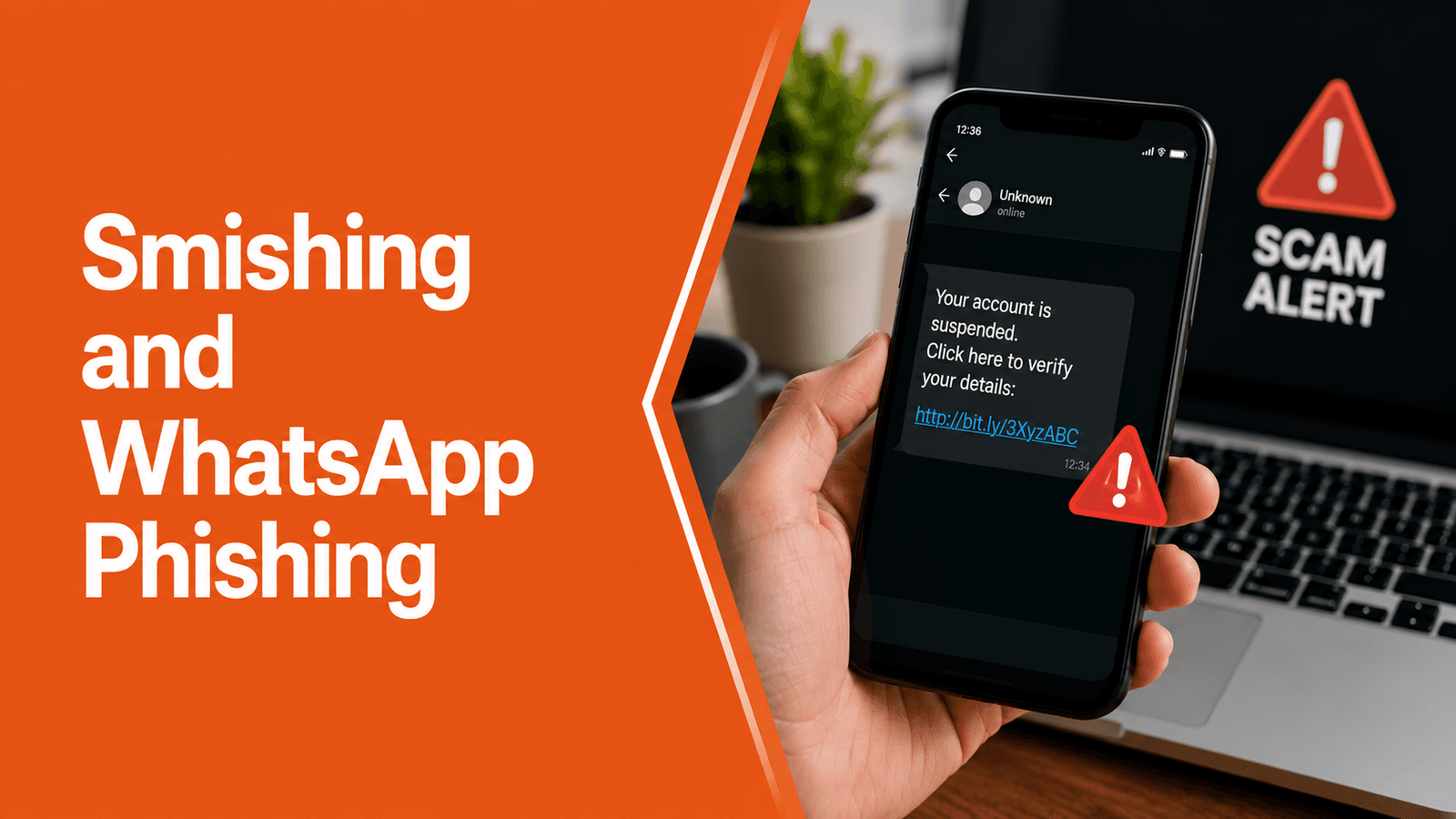
Cybercriminals frequently use phishing emails, SMS messages, and messaging platforms to steal employee credentials or gain access to sensitive systems.
Without awareness training, employees may unknowingly disclose confidential information.
Weak Password Practices
Using predictable or reused passwords makes organizational systems easier to compromise.
Employees should understand password security and enable multi-factor authentication wherever possible.
Unauthorized Data Sharing
Sensitive information should only be shared with authorized individuals using approved communication channels.
Employees should verify requests before sharing customer records, financial information, or internal documents.
Lost Devices
Laptops, smartphones, and USB drives containing sensitive information can expose organizations to significant risks if lost or stolen.
Employees should understand secure device management and reporting procedures.
Shadow IT
Employees sometimes use personal cloud storage, messaging applications, or productivity tools without organizational approval.
These unauthorized applications may lack adequate security controls and increase compliance risks.
Regulations That Emphasize Employee Awareness
Many privacy and cybersecurity regulations expect organizations to implement organizational measures that include employee education and awareness.
Examples include:
Digital Personal Data Protection Act (DPDPA)
Organizations handling digital personal data should establish appropriate safeguards and promote responsible data handling practices.
GDPR (General Data Protection Regulation)
Organizations processing personal data should ensure employees understand privacy responsibilities and data protection principles.
ISO/IEC 27001
Information security awareness and competence are important elements of an effective Information Security Management System (ISMS).
HIPAA
Healthcare organizations must educate workforce members on safeguarding protected health information (PHI).
PCI DSS
Organizations handling payment card information should train employees on secure handling practices and fraud prevention.
Although regulatory requirements differ, they all recognize that employee awareness contributes to stronger data protection.
Essential Topics Every Privacy Training Program Should Cover
A modern awareness program should include practical scenarios employees encounter every day.
Understanding Personal Data
Employees should know what qualifies as personal information and why it requires protection.
Examples include:
-
Customer names
-
Email addresses
-
Phone numbers
-
Financial records
-
Employee information
-
Health data
-
Government-issued identifiers
Data Classification
Training should explain how organizations classify information and the appropriate handling requirements for each category.
Secure Data Handling
Employees should understand how to:
-
Collect information responsibly.
-
Store data securely.
-
Transfer files safely.
-
Dispose of sensitive information appropriately.
Password and Authentication Security
Strong passwords and multi-factor authentication reduce the likelihood of unauthorized access.
Phishing Awareness
Employees should recognize phishing emails, SMS messages, QR-code phishing (Quishing), business email compromise, and social engineering attacks.
Remote Work Security
Hybrid employees should understand secure Wi-Fi usage, VPNs, mobile security, clean desk practices, and secure document handling outside the office.
Incident Reporting
Employees should know:
-
What constitutes a security incident.
-
Who should be notified.
-
How quickly incidents should be reported.
-
Why early reporting is critical.
Benefits of Continuous Privacy and Compliance Training
Organizations that invest in ongoing awareness programs experience long-term benefits.
Reduced Human Error
Employees become more confident identifying risky situations before they lead to data breaches.
Stronger Security Culture
Privacy becomes part of everyday decision-making rather than a compliance exercise.
Improved Regulatory Readiness
Organizations can demonstrate ongoing employee education and awareness initiatives during audits and assessments.
Better Customer Trust
Customers are more likely to trust organizations that prioritize responsible data handling and employee education.
Lower Business Risk
Reducing human-related incidents minimizes operational disruption, financial losses, and reputational damage.
Best Practices for Privacy and Compliance Training
Organizations should:
-
Provide role-based learning tailored to different departments.
-
Include privacy awareness during employee onboarding.
-
Deliver regular microlearning throughout the year.
-
Conduct phishing simulations and social engineering exercises.
-
Update training to address emerging threats.
-
Measure employee participation and awareness improvements.
-
Encourage employees to ask questions and report incidents without fear of blame.
Awareness should be treated as an ongoing business process rather than a once-a-year requirement.
How Innvikta Supports Data Privacy and Compliance Training
Protecting sensitive information requires more than policies—it requires employees who understand how to apply those policies in real-world situations.
Innvikta's Security Awareness Platform helps organizations strengthen their privacy and compliance programs through engaging, measurable, and role-based learning experiences.
Privacy Awareness Training
Interactive modules covering:
-
Data privacy fundamentals
-
Secure data handling
-
Information classification
-
Privacy regulations
-
Password security
-
Remote work security
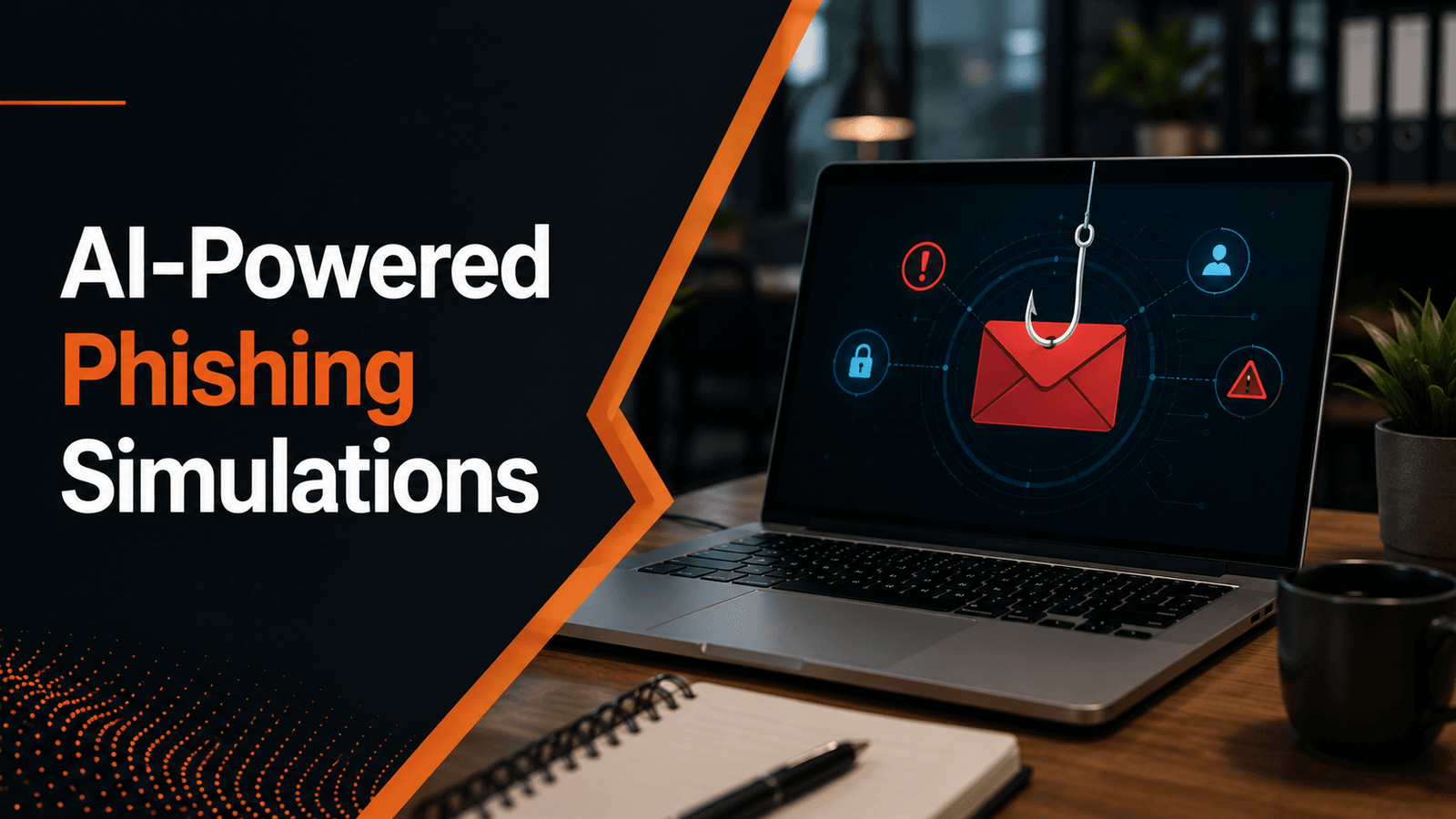
AI-Powered Phishing Simulations
Employees experience realistic phishing attacks that reinforce secure handling of sensitive information and improve reporting behavior.
Human Risk Intelligence
Behavioral analytics identify employees requiring additional coaching and provide measurable insights into organizational risk.
Compliance-Focused Learning Paths
Organizations can assign role-specific learning journeys for HR, Finance, IT, Customer Support, Healthcare, Legal, and other business functions.
Executive Reporting
Comprehensive dashboards help leaders monitor:
-
Training completion
-
Employee engagement
-
Phishing performance
-
Human risk scores
-
Awareness trends
This visibility enables organizations to continuously improve their compliance posture.
Conclusion
Data privacy is no longer solely the responsibility of compliance teams or cybersecurity professionals. Every employee who handles sensitive information contributes to protecting customer trust, organizational reputation, and business continuity.
Continuous privacy and compliance training equips employees with the knowledge to recognize threats, follow secure practices, and make informed decisions when handling personal and business data.
By combining practical awareness training, phishing simulations, and measurable behavioral insights, organizations can reduce human-related risks while building a lasting culture of security and accountability.
With Innvikta's Security Awareness Platform, businesses can transform compliance training from a mandatory exercise into a meaningful program that strengthens both cybersecurity and organizational resilience.
Frequently Asked Questions
Data privacy and compliance training educates employees on how to handle personal and sensitive information securely while following organizational policies and applicable legal or regulatory requirements.
Employees frequently interact with sensitive information. Proper training reduces human error, improves awareness, and helps prevent accidental data breaches.
Organizations should provide continuous awareness throughout the year using onboarding sessions, microlearning, phishing simulations, and periodic refresher courses.
Every employee who handles organizational or personal data should receive training. Role-based modules can provide additional guidance for departments such as HR, Finance, IT, Legal, Customer Support, and Healthcare.
Innvikta provides interactive awareness training, AI-powered phishing simulations, Human Risk Intelligence, compliance-focused learning paths, and executive reporting to help organizations strengthen their privacy culture and reduce human-related risks.